
How local video strengthens global health programs
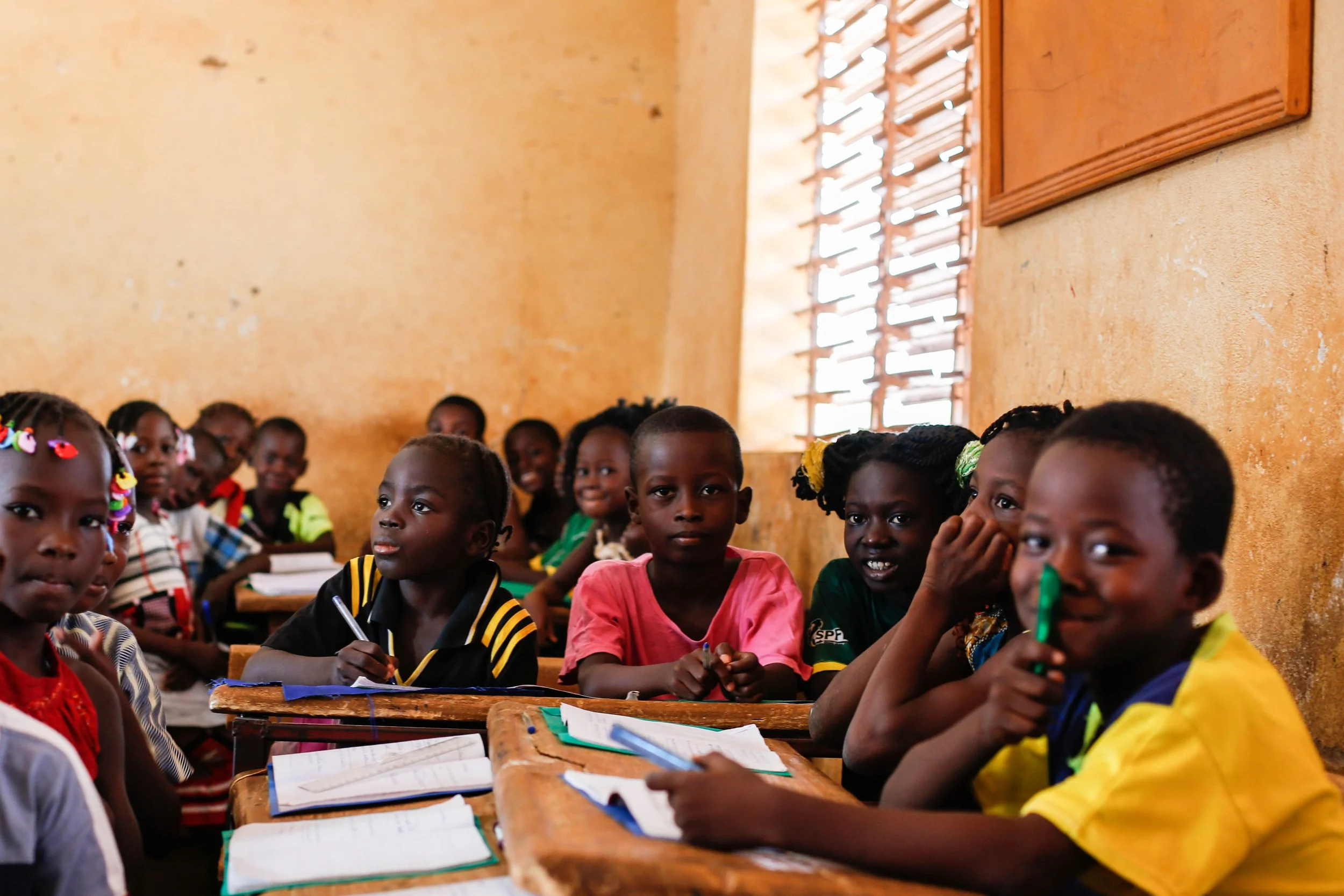
Access to services alone doesn't make a global health program work. Communities also need practical information they can understand, use and pass along.
Locally created video fills that need.
In 2017, illuminAid partnered with Catholic Relief Services (CRS) in Burkina Faso to strengthen water, sanitation and hygiene (WASH) education in schools and the communities around them. Poor sanitation spreads preventable disease. Rural areas with little access to reliable health information carry the heaviest burden.
During a Video Education Workshop, illuminAid trained local teachers and CRS staff in the fundamentals of video production. Participants learned to plan, film, edit and screen short videos promoting handwashing and other hygiene practices.
Those videos went into local schools. Teachers and community members built the content themselves, so the messages reflected familiar settings, languages and daily routines. Health guidance arrived sounding less like an outside directive and more like advice from a neighbor.
Video does a few specific things well here. Technical health guidance becomes a visual demonstration anyone can follow. Messages adapt to local languages, cultures and literacy levels. Trusted community members step into the role of health educator, which carries the training well past the final day of a workshop. Repeated screenings reinforce the behavior over time.
Locally produced video also builds lasting capacity. Partner organizations stop depending on outside communications teams. They gain the skills and equipment to answer new health priorities as those come up, and they keep producing resources long after the training ends.
Participatory video gives non-governmental organizations (NGOs) a practical tool. Groups working in WASH, maternal and child health, nutrition or infectious disease prevention can put critical information in front of the people who need it, in a form those people can act on.