
Following a dollar from donor to beneficiary
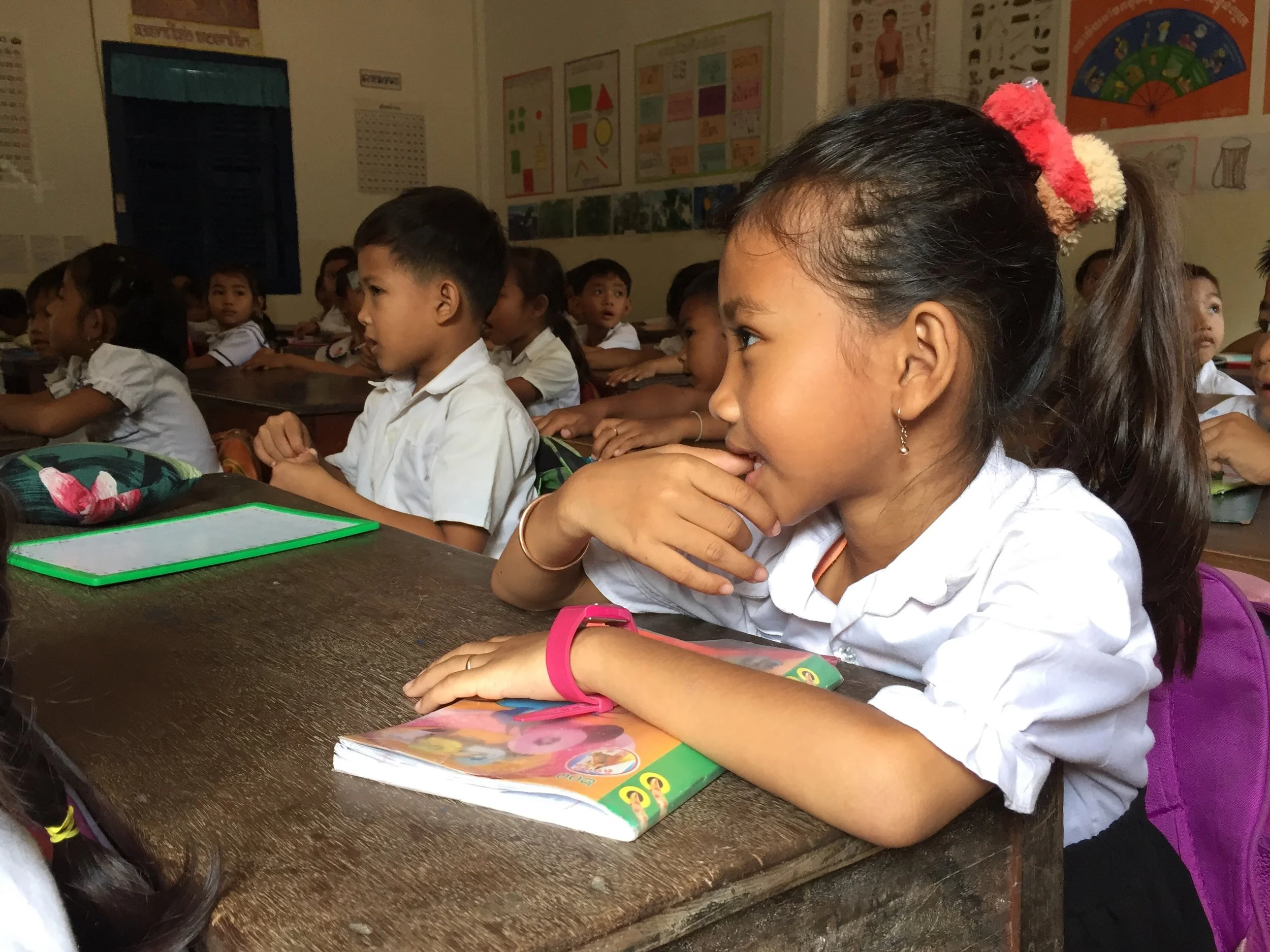
For donor organizations, granting is more than a single transaction. It is a commitment to making sure resources move with purpose, reach the right hands, and produce meaningful results. At illuminAid, that journey can be traced from institutional support to community-level impact.
A grant or program investment often begins by helping equip a Video Education Workshop, where local participants learn to create practical videos using low-cost technology. It may support the preparation and delivery of training, the procurement of equipment such as tablets, microphones, projectors, and solar charging systems, and the coordination required to ensure that each workshop is responsive to local needs.
From there, the value of that support continues to grow.
Participants do not simply attend a training and move on. They use what they have learned to create videos in local languages, shaped by local realities, and focused on issues that matter in their communities. Whether the topic is malaria prevention, HIV awareness, food security, or women’s safety, the result is communication that is grounded, accessible, and relevant to the people it is meant to serve.
That is where donor impact becomes the clearest.
A video is screened in a rural community. Families gather to watch and discuss. A parent gains a clearer understanding of how to prevent disease. A young person encounters a health message that feels familiar rather than distant. A farmer sees a practical demonstration that can be applied in daily life. What began as institutional funding has now become shared knowledge and informed action.
This is the path from donor organization to beneficiary at illuminAid.
Support is translated into tools, training, and local capacity. Local capacity leads to community-created content. That content, in turn, helps knowledge travel farther and land where it is needed most. Donor organizations do not simply fund activities, they help make practical, community-led change possible.