
Why illuminAid’s approach offers value across a wide range of program goals
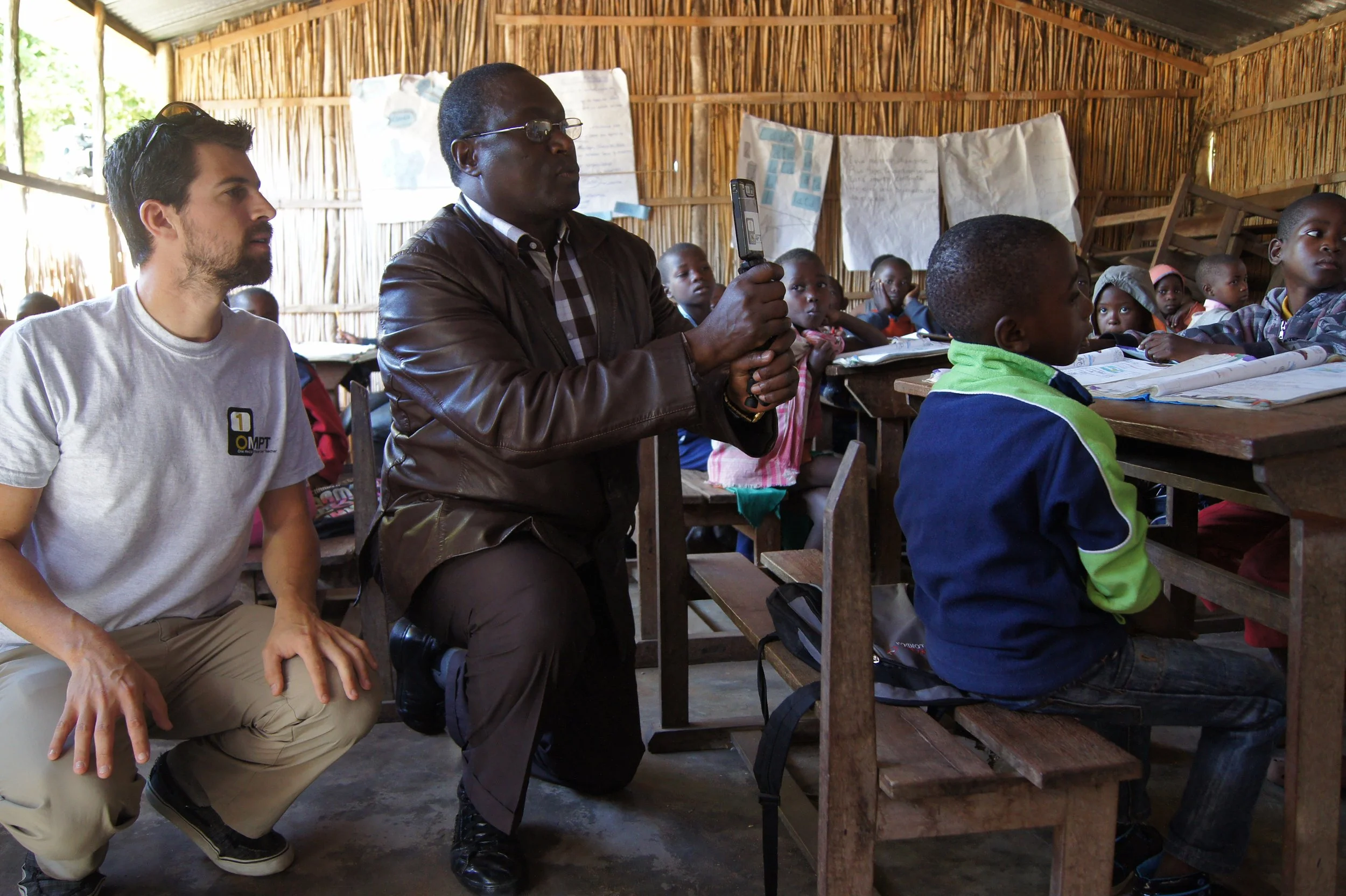
For NGO partners, few challenges exist in isolation. A community facing food insecurity may also be dealing with poor health access, climate changes, low literacy, or barriers to public information. A youth-facing initiative may intersect with HIV prevention, gender equity, and livelihoods. Development work is rarely confined to a single sector.
That is why illuminAid’s model is built to be adaptable.
Through hands-on training and low-cost video technology, illuminAid equips local teams to create and share practical educational content in ways that are accessible, culturally relevant, and designed for low-resource settings. Rather than introducing a narrow communications tool tied to only one topic, illuminAid helps partners build a local capacity that can support many different program objectives.
The same training model can be applied across health, agriculture, education, protection, and community resilience. One partner may use it to strengthen malaria prevention messaging. Another may adapt it for food security, maternal health, HIV awareness, or gender-based violence prevention. Because videos are created locally and shared offline through cordless, battery-powered projectors, the approach is especially effective in places where barriers include internet access, literacy, language, and infrastructure.
For NGO partners, this creates practical long-term value.
A single investment in training and equipment can continue serving multiple priorities long after the initial workshop ends. Teams gain usable skills. Organizations gain tools they can carry into future programming. Communities gain access to information delivered in a form that feels familiar, trusted, and relevant.
Through illuminAid, one gift can support more than one sector because it strengthens something deeper: the ability of local actors to communicate knowledge where it matters most.
That is what makes illuminAid not just a service provider, but a versatile partner in community-based change.