
The first line of defense against Ebola is still education
As the Democratic Republic of the Congo and Uganda confront new Ebola outbreaks, humanitarian organizations are once again reminded of a lesson learned during the West African Ebola crisis: stopping transmission requires more than medical interventions alone. It requires trusted, culturally relevant education that helps communities understand how the virus spreads and how they can protect themselves.
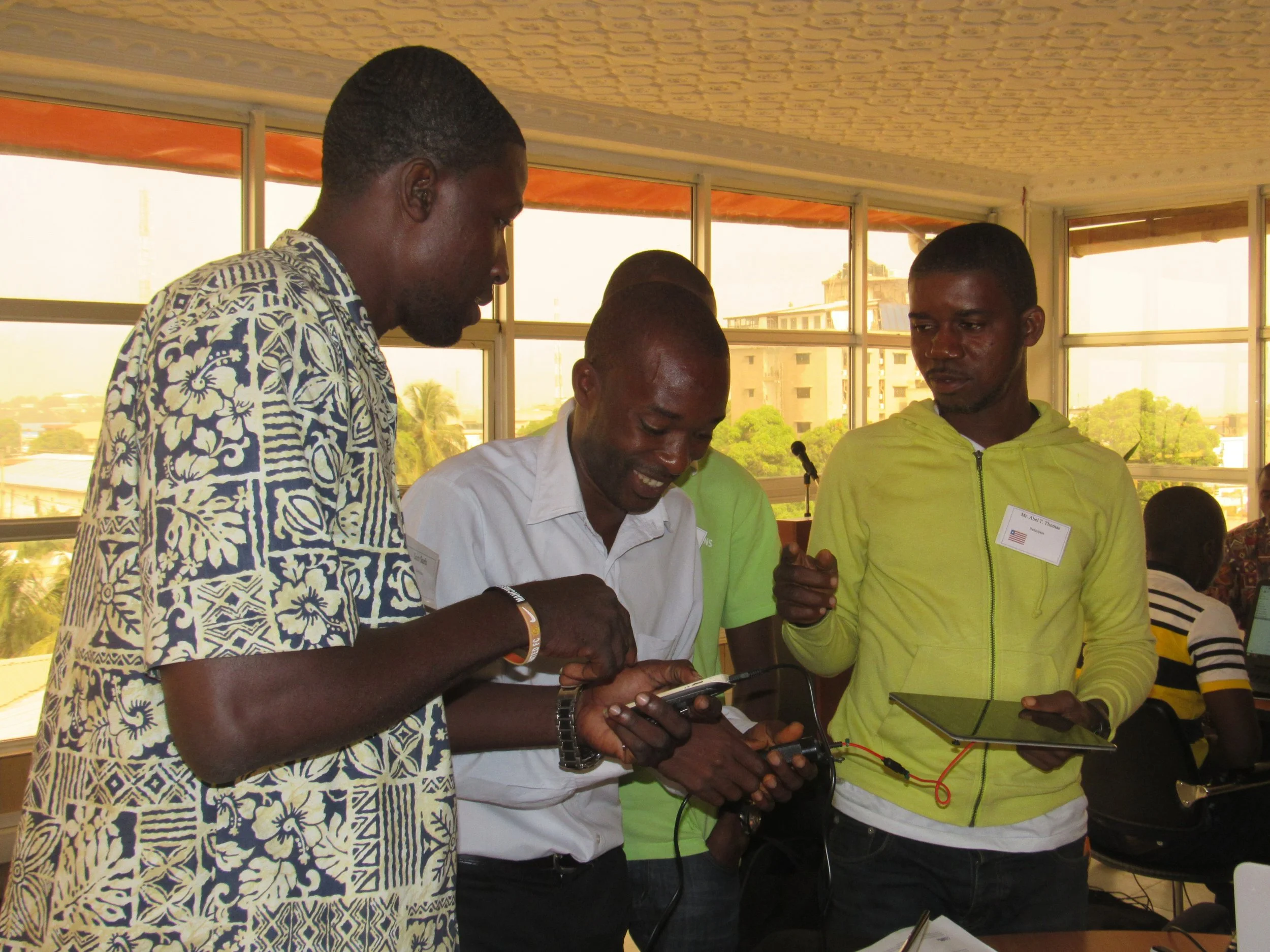
During the 2014 Ebola epidemic in West Africa, One Mobile Projector per Trainer (OMPT), the predecessor to illuminAid, was selected by the U.S. Centers for Disease Control and Prevention (CDC) to support frontline response efforts. OMPT provided more than 100 mobile video production and projection units to aid organizations working in Guinea, Liberia and Sierra Leone, enabling health messages to reach even the most remote communities.
The strategy was simple but powerful. Rather than relying solely on printed materials, OMPT helped local organizations create videos in local languages that visually demonstrated how Ebola is transmitted and what preventive measures families could take. The videos featured trusted community leaders and Ebola survivors. They could be shown anywhere using battery-powered projectors that required no electrical grid.
As OMPT founder Matt York observed at the time, "Stopping the spread of the disease is as much a communications challenge as a medical one." With literacy barriers, misinformation and deeply rooted cultural practices influencing behavior, clear and accessible communication became a critical component of outbreak control.
Today, that lesson remains highly relevant. While vaccines, surveillance systems and treatment centers are indispensable, communities must understand why protective measures matter before they can adopt them. Non-governmental organizations (NGOs) are uniquely positioned to bridge this gap by partnering with local leaders, delivering culturally appropriate health education and ensuring that accurate information reaches the last mile.
In the fight against Ebola, education is not a supporting activity. It is a frontline intervention.