
Why global solidarity still matters — especially now
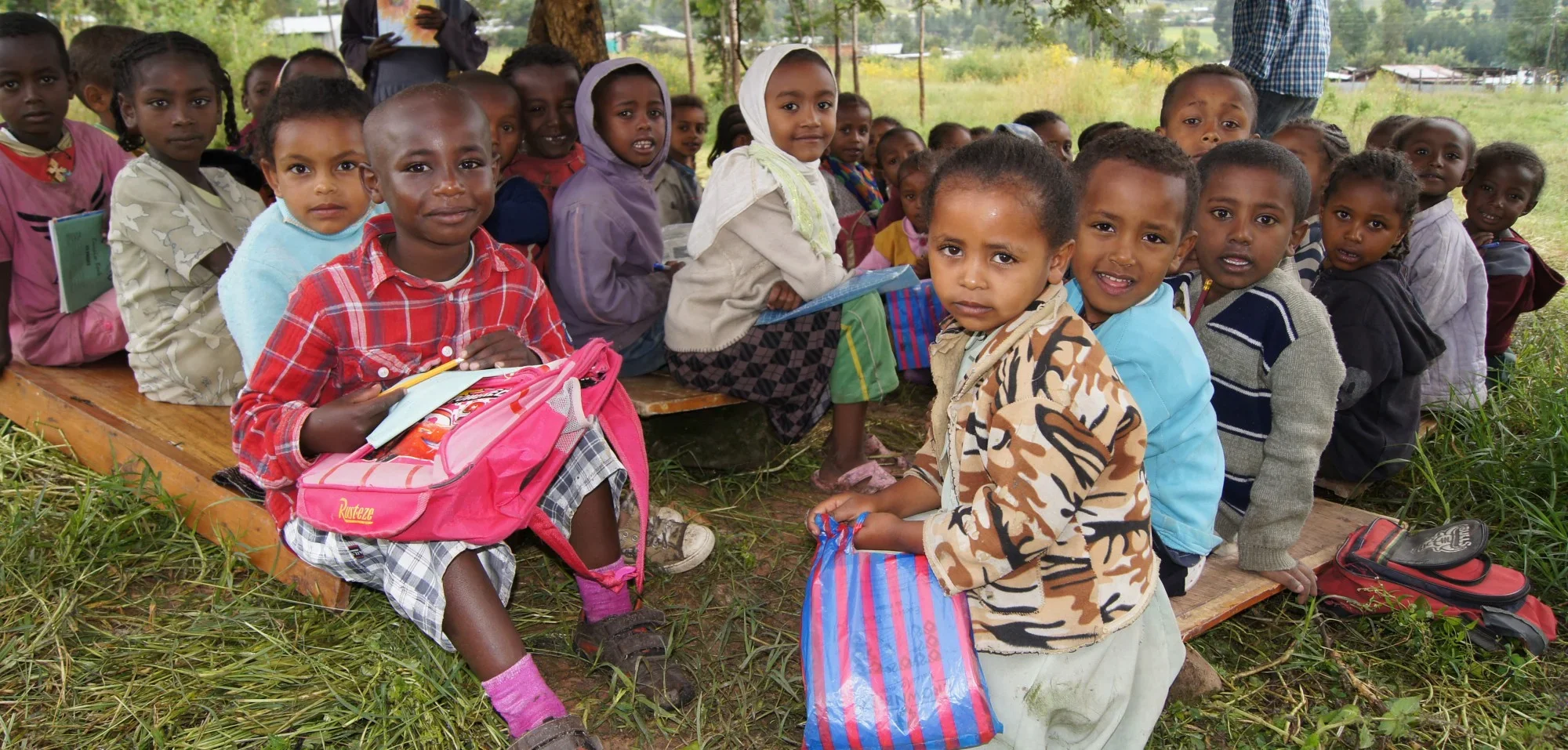
Communities across the United States are dealing with rising costs, polarization and uncertainty. So it's fair to wonder how we keep advocating for people living in poverty on the other side of the world. For country directors, that question isn't theoretical. It's strategic. It's operational. And it's deeply human.
illuminAid partners with non-profit and non-governmental organizations to strengthen their communication of impact. We equip frontline teams with video tools and training to capture and share stories of behavior change. In today’s environment, that capability is more important than ever.
As practitioners, you know that global poverty and local hardship aren't competing priorities. They're interconnected. Fragile health systems abroad can accelerate pandemics that reach our doorstep, while food insecurity in one region can drive migration patterns that reshape another. Climate shocks don't stop at borders; their ripple effects affect global stability and markets alike. That's why investing in resilient communities overseas isn't charity. It's global risk management.
But data alone does not move people; stories do.
Broad appeals to “help the poor” are no longer enough. What resonates today is specificity: Who is being helped? How? What changed? illuminAid enables partners to answer these questions through authentic, locally produced video. A health worker in Guatemala is demonstrating prenatal care. A farmer in India is adopting climate-resilient practices. These tangible stories bridge distance and build trust.
“As people read less and have shorter attention spans, the best way to communicate is to show, not tell.” — Samuel Baafi, World Vision Communications Manager
Leaders have a twofold opportunity here. Integrate storytelling as a core strategy and reframe global assistance as benefiting everyone involved. Supporting communities abroad contributes to a more stable and secure world back home, too.
In moments of domestic strain, the challenge is not whether to engage globally, but how to communicate its value more clearly.
The question is no longer whether we can afford to help others, but whether we can afford not to.