
Using video to improve childhood nutrition in Kenya
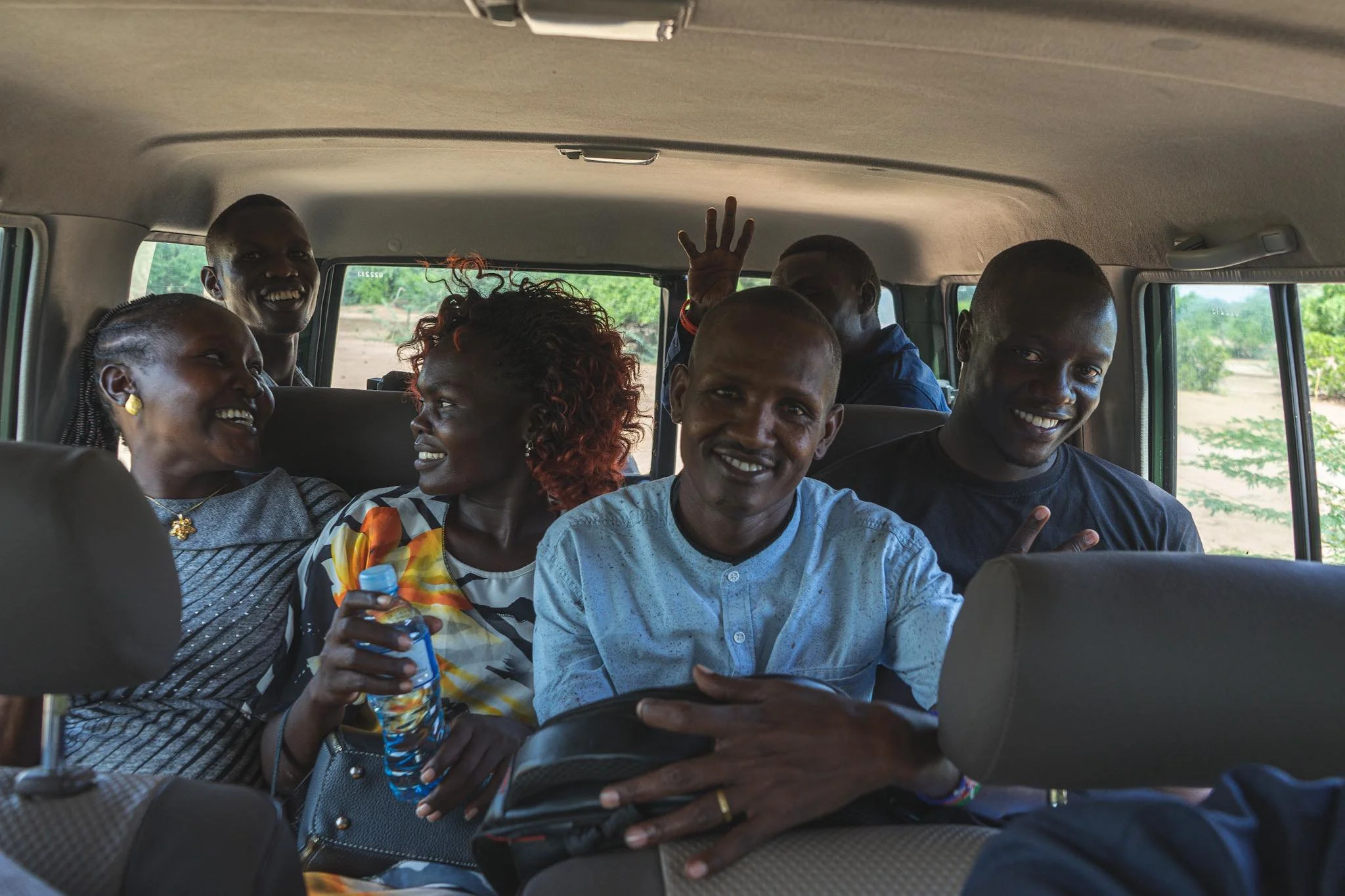
In Kenya, childhood under-nutrition remains one of the most urgent and preventable challenges facing families today. More than two million children under the age of five experience stunted growth, a condition that can permanently limit physical development, learning ability and long-term health. In some counties, nearly half of all young children are affected. These outcomes are driven by food insecurity, poor dietary diversity, disease and limited access to practical nutrition information during the critical early years of life.
illuminAid addresses these challenges by partnering with local organizations to deliver nutrition education that is accessible, practical and culturally grounded. Working alongside Africare in Lodwar, northern Kenya, illuminAid supported community-led efforts to help families diversify diets using locally available foods. Many households rely heavily on government food distributions that fill stomachs but lack essential nutrients, leaving children vulnerable to malnutrition and developmental delays.
Through participatory video, illuminAid trained Africare staff to create and screen locally produced nutrition videos tailored to communities where literacy rates are low. Video removes the written word as a barrier, allowing caregivers to see, hear and discuss improved feeding and farming practices in familiar languages and settings. By turning nutrition guidance into visual, relatable stories, families are better equipped to understand and adopt healthier behaviors for their children.
The work also tackled broader social challenges by engaging unemployed youth, particularly young men. By involving them in video-based education around small-scale vegetable production, the project encouraged a shift in cultural norms, presenting farming as a viable livelihood and a way to support families and communities.
With donor support, illuminAid continues to use video to strengthen local capacity, improve childhood nutrition and help communities across Kenya build healthier, more resilient futures.