
Why education in crisis matters and how illuminAid is responding
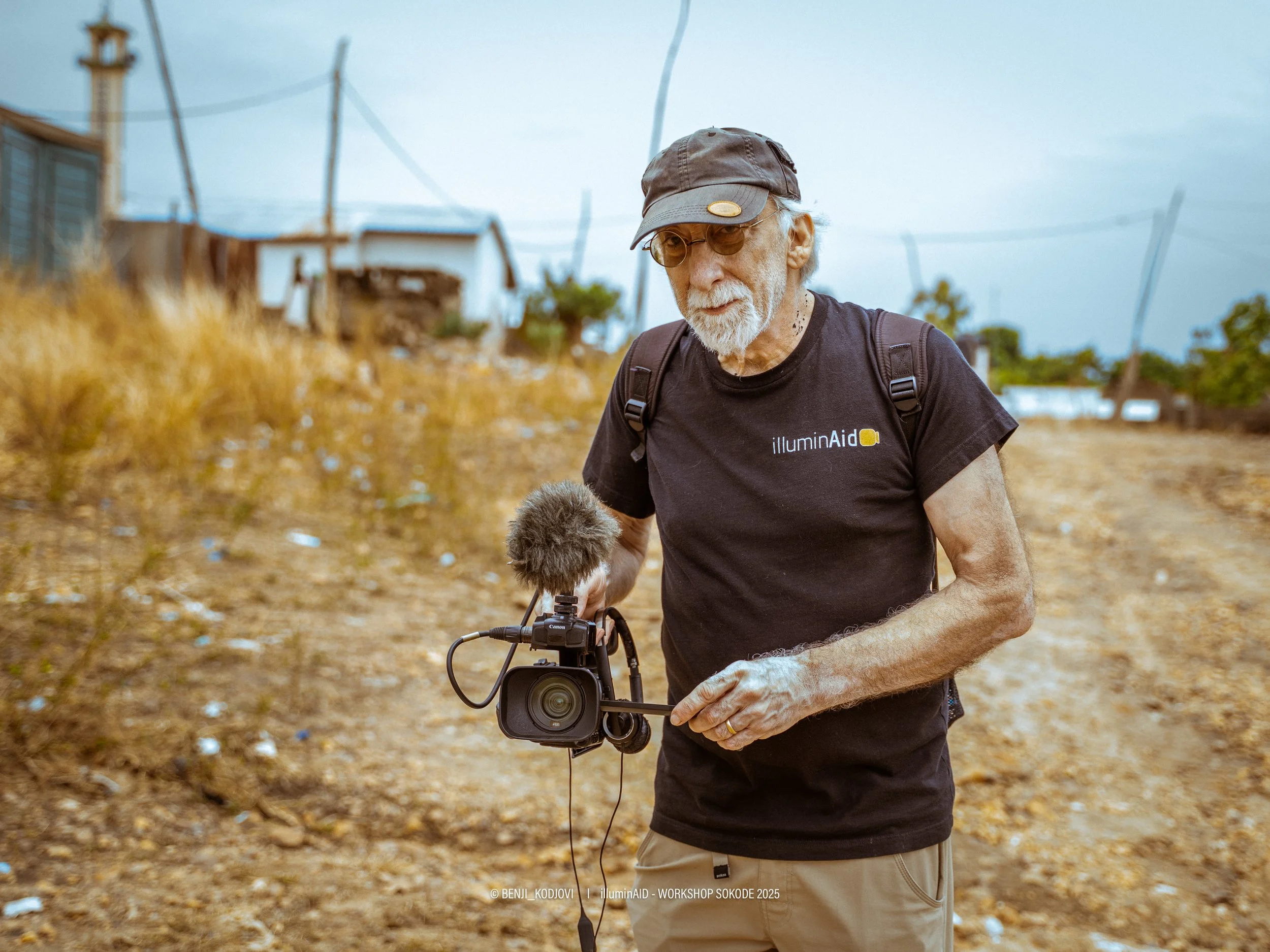
Around the world, children living in conflict and disaster zones are facing an escalating education emergency. Recent insights from the International Rescue Committee indicate that more than 224 million children are currently affected by crises, with over 72 million of them out of school entirely. Those who do manage to attend school often struggle to meet basic learning benchmarks due to instability, trauma and interrupted instruction. Long-term displacement, sometimes lasting a decade or more, means millions of children grow up without reliable access to learning. Girls are especially vulnerable to early marriage, exploitation and violence, all of which contribute to high dropout rates. Despite the scale of the need, education in emergencies still receives less than 3% of global humanitarian funding.
This global context illustrates the critical importance of innovative, adaptable educational solutions, an area where illuminAid and its partners have already made substantial contributions.
One example is illuminAid’s work in South Sudan through a collaboration with the Education Development Center (EDC) and OMPT. The project introduced portable media players loaded with educational content, allowing teachers in remote and hard-to-reach regions to deliver lessons without dependence on radio broadcast schedules or consistent signals. These tools empowered educators to teach at times that fit community routines and to reach learners in mountainous or isolated areas where other technology could not reliably operate.
The South Sudan initiative demonstrated that flexible, low-power technology can keep learning alive during crises, offering children structure, connection and mental stability when it is needed most. It also provides a model for strengthening education systems even in highly fragile settings.
As global needs rise, illuminAid and its NGO partners remain committed to expanding resilient, technology-supported education. Ultimately, the goal is to ensure that no child’s right to learn is lost to conflict or displacement.