
Abstract
This study evaluates the impact of facilitated video-based group extension on the adoption and productivity of smallholder women rice farmers in rural Bihar, India. Using a cluster-randomized controlled trial design, households were assigned to receive standard government extension services or standard extension services supplemented with locally produced, mediated videos delivered through women’s groups. Sub treatments tested whether additional messaging addressing labor cost uncertainty and self-efficacy influenced outcomes. Exposure to video significantly increased adoption of the promoted System of Rice Intensification practice and resulted in yield gains of approximately 20 to 30 percent relative to control groups. Most additional output was stored or consumed, with a smaller share sold. By the second year, productivity levels between treatment and control groups converged, suggesting that video accelerated the learning process rather than permanently altering relative performance.
Summary
Women farmers who viewed facilitated videos were more likely to adopt the promoted agricultural practice than those who received traditional extension alone. Adoption increased from roughly 10 percent in control groups to approximately 15 to 16 percent in treatment groups. Yield gains ranged from 117 to 261 kilograms per farm, representing substantial increases over baseline output. Treated households consumed and stored most of the additional rice and reduced participation in off-farm labor in the following season, indicating improved agricultural returns. Targeted messages addressing labor costs had some influence, while self-efficacy-focused messaging produced limited additional effects.
Interpretation of Results
The findings indicate that the delivery medium plays a meaningful role in agricultural technology adoption. When content was held constant, and only the instructional format varied, facilitated video improved adoption and productivity beyond traditional group extension alone. The convergence in output by year two suggests that video accelerates learning rather than changing the long-term ceiling of productivity. The results highlight the value of locally contextualized, peer-based video instruction embedded in structured group discussion as a cost-effective complement to existing extension systems.
Video-Based Group Extension for Smallholder Rice Farmers in Rural Bihar, India
Citation
Vasilaky K, Mangal M, Toyama K, Baul T, Bhattacharya U. (2015). Learning Digitally: Evaluating the Impact of Farmer Training via Mediated Videos. Working Paper.
Baul T, Karlan D, Toyama K, Vasilaky K. (2020). Improving Smallholder Agriculture via Video-Based Group Extension. Working Paper.
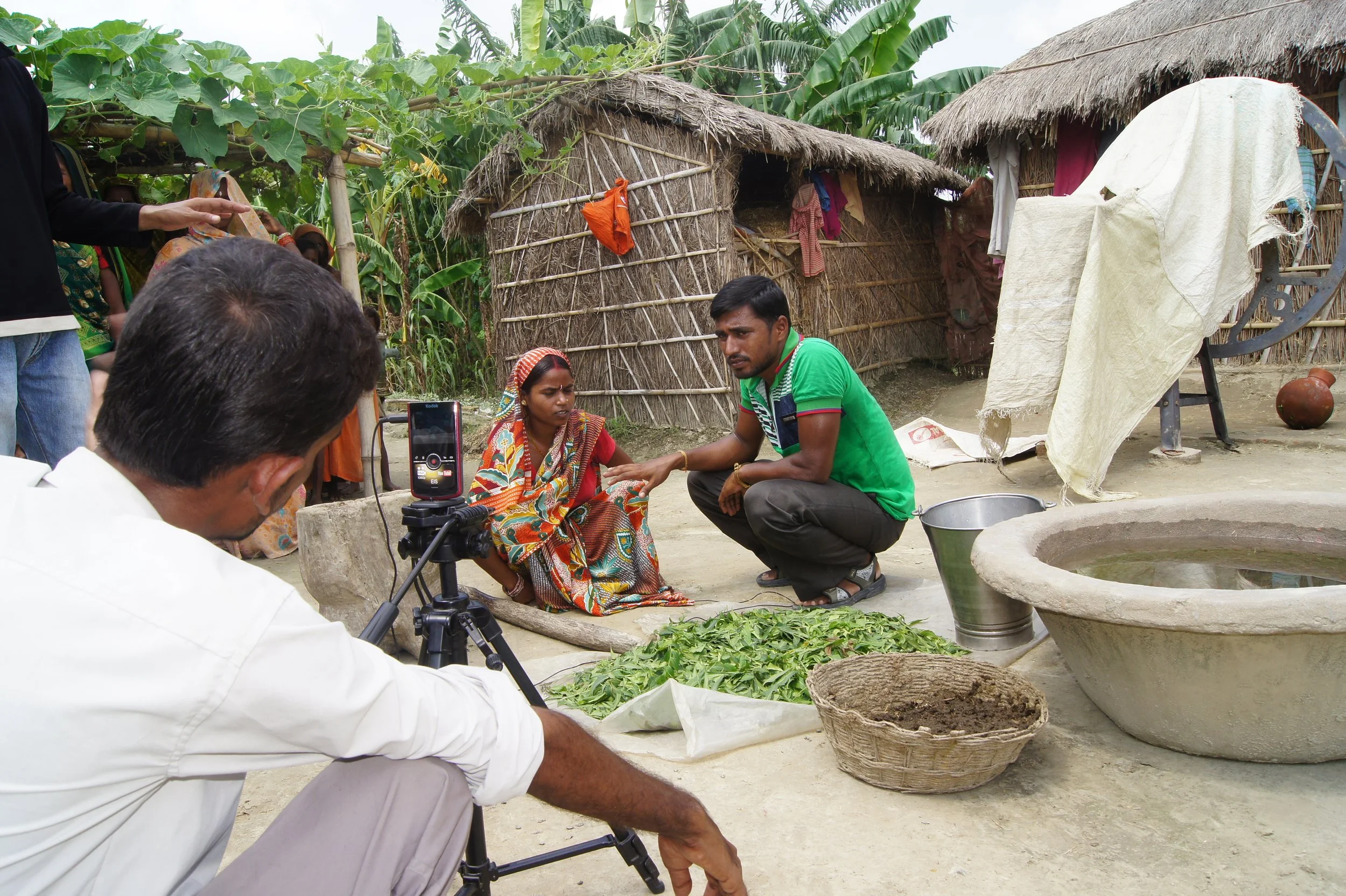
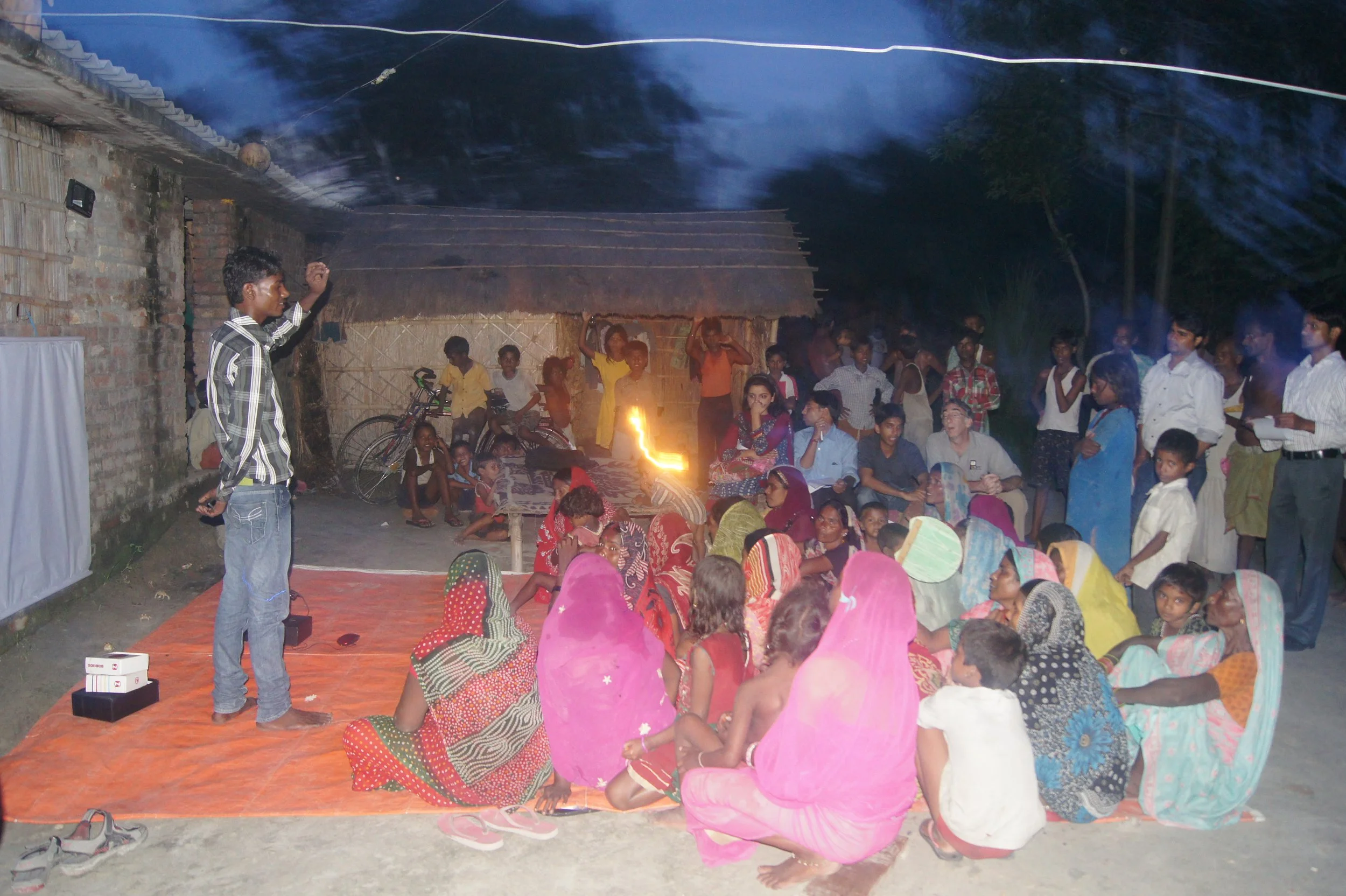
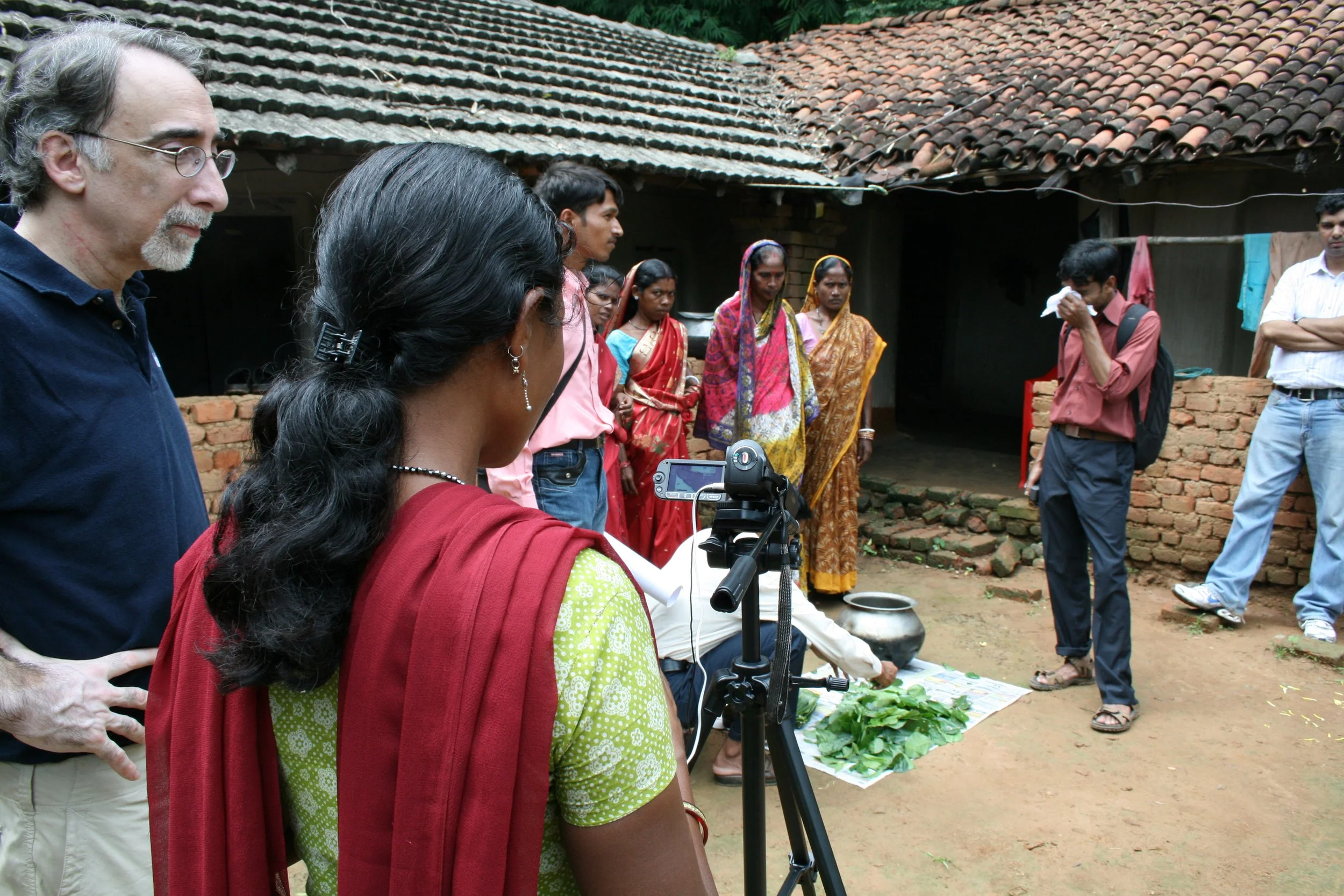
2012 workshops in partnership with Digital Green in Bihar, Odisha, and Muzaffarpur. illuminAid also visited Bangalore, Lucknow, and Delhi.