
Stopping Disease Before It Spreads: The Power of Local Education
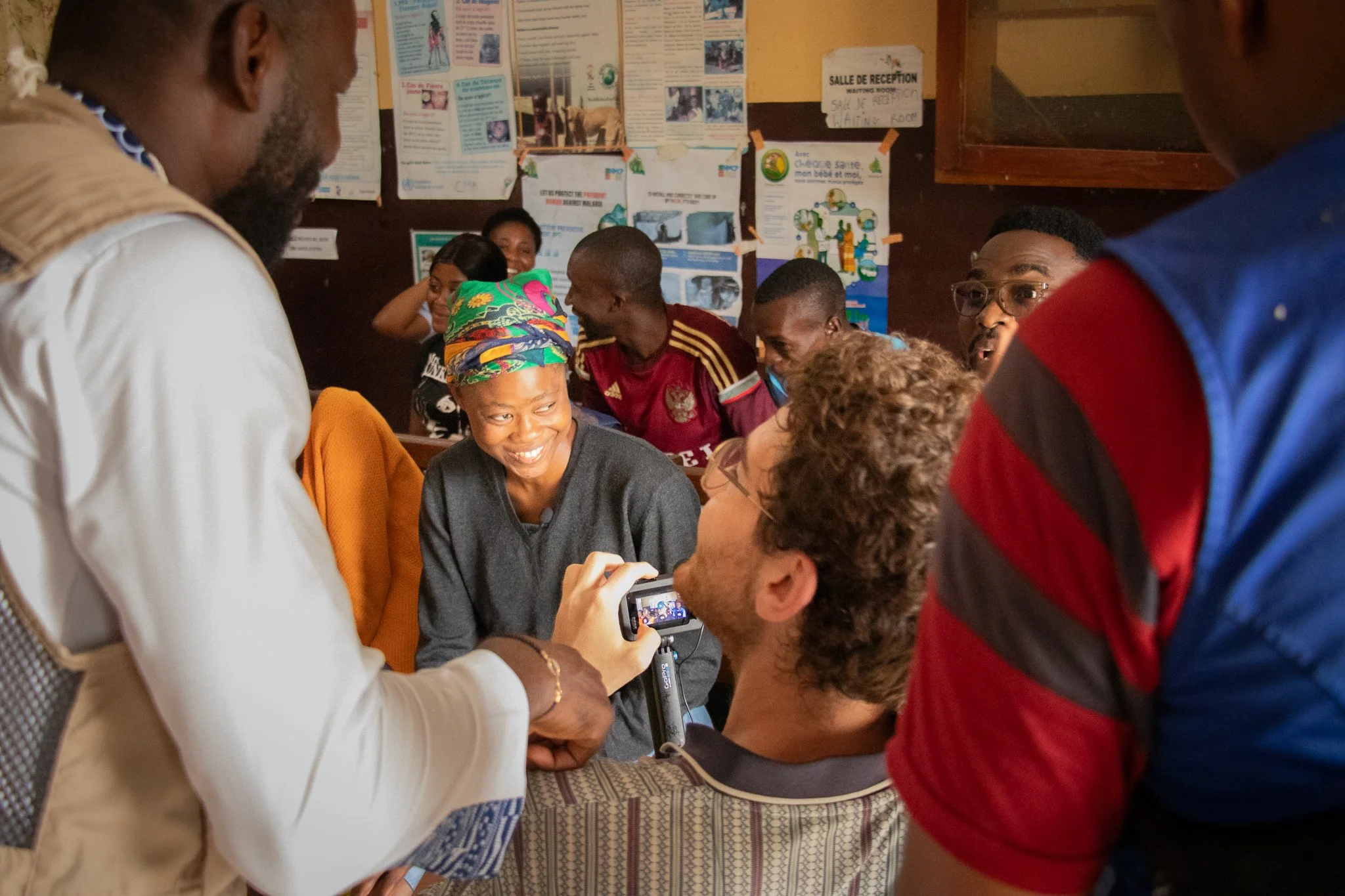
Preventing disease often begins long before someone enters a clinic.
It begins when families understand how illness spreads, how to protect themselves, and when to seek care. But in many low-resource communities, access to clear and trusted health information can be limited by distance, low literacy, unreliable electricity, language differences, and limited access to healthcare.
That is why locally led education matters.
In Cameroon, malaria remains a serious public health challenge, especially for children and pregnant women. In 2024, illuminAid partnered with the U.S. Peace Corps in Cameroon to help strengthen community health education, with funding from USAID through the President’s Malaria Initiative.
During a four-day Video Education Workshop, Peace Corps Volunteers and their local counterparts learned how to create educational videos focused on malaria prevention, vaccination, and other important health topics.
Participants were trained to plan messages, write scripts, film, edit, and screen videos designed specifically for the communities they serve. They also received cameras, cordless projectors, and solar-powered recharge equipment, allowing them to produce and share videos in places where reliable electricity or internet access may not be available.
For disease prevention, that accessibility can make a major difference.
A short video can demonstrate how families can reduce their risk of malaria, explain why vaccination matters, or address common misconceptions about disease. Unlike printed materials, video can also reach people with limited literacy and can be shown repeatedly at schools, health centers, community gatherings, and in remote villages.
Just as important, locally produced videos can reflect the language, culture, and everyday experiences of the audience.
Local educators understand the questions people are asking. They know which beliefs or concerns may influence health decisions. And they can communicate information through voices and situations that community members recognize and trust.
This is especially important because disease prevention requires more than simply sharing facts. People need information they can understand and use in their daily lives.
The approach also creates benefits that last beyond a single health campaign.
By learning how to produce their own videos, local organizations and educators gain a tool they can continue using as new needs emerge. The same skills used to communicate about malaria can later support education around maternal health, sanitation, nutrition, HIV prevention, vaccination, or future disease outbreaks.
Disease prevention depends on knowledge reaching people before illness spreads.
Locally made video offers a practical way to help that happen. It allows health information to travel farther, reach more people, and be shared through trusted voices close to home.
When communities have the tools to understand health risks and teach one another how to respond, prevention becomes something everyone can participate in.